Breast Cancer Awareness: The Importance of Early Detection, Education, and Support
Encouraging Early Detection
Every October, communities, healthcare organizations, employers, families, and individuals come together to recognize Breast Cancer Awareness Month. The month is dedicated to increasing awareness of breast cancer, encouraging early detection, supporting those affected by the disease, and raising funds for continued research.
Breast cancer is one of the most commonly diagnosed cancers among women, although men can develop breast cancer as well. Because early detection can make a significant difference in treatment options and outcomes, education and regular screening remain important parts of breast health.
Know Your Breast Health
Breast cancer develops when abnormal cells in the breast begin to grow uncontrollably. While some people experience noticeable symptoms, breast cancer can also develop without obvious warning signs.
Possible changes that should be discussed with a healthcare provider include:
- A new lump or thickening in the breast or underarm
- Changes in the size or shape of a breast
- Dimpling, puckering, redness, or other changes in breast skin
- Changes in the nipple, including inversion or unusual discharge
- Persistent breast or nipple pain
- Swelling or other changes that are unusual for you
Not every breast change is cancer, but unexplained changes should be evaluated by a medical professional.
Early Detection Matters
Screening can help identify breast cancer before symptoms appear. Mammograms are an important screening tool and can sometimes detect breast cancer at an earlier, more treatable stage.
Screening recommendations can vary based on a person’s age, family history, genetics, previous breast conditions, and other risk factors. Individuals should talk with their healthcare provider about when to begin mammograms and how often they should be screened.
People at higher risk may require additional screening, such as breast MRI or other imaging.
Understanding Risk Factors
Some breast cancer risk factors cannot be changed, including increasing age, certain inherited genetic changes, and family or personal history of breast cancer. Other factors related to overall health and lifestyle may also influence risk.
Maintaining a healthy lifestyle can support overall wellness. Regular physical activity, limiting alcohol, avoiding tobacco, maintaining a healthy weight, and keeping up with routine healthcare appointments are all positive steps.
However, it is important to remember that breast cancer can occur even in people who have no obvious risk factors.
Support Goes Beyond Wearing Pink
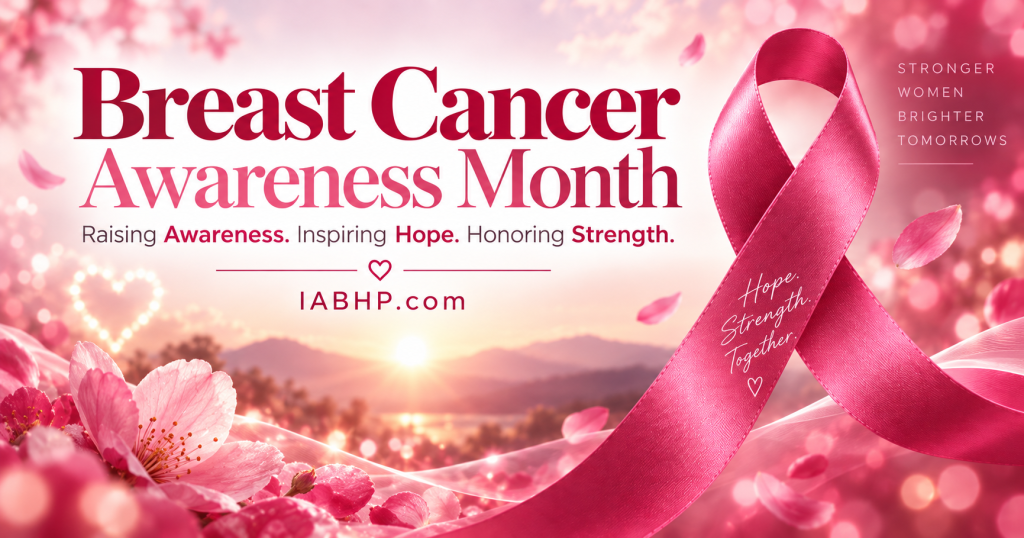
The pink ribbon has become an internationally recognized symbol of breast cancer awareness, but awareness should also lead to meaningful action.
During Breast Cancer Awareness Month, consider encouraging friends, relatives, and coworkers to stay current with recommended screenings. Employers can provide educational resources, promote preventive healthcare benefits, and make it easier for employees to attend medical appointments.
Supporting someone diagnosed with breast cancer can also mean offering practical help, listening without judgment, assisting with transportation or meals, or simply staying connected throughout treatment and recovery.
Research Continues to Make a Difference
Ongoing research has helped improve breast cancer screening, diagnosis, targeted therapies, surgical techniques, and personalized treatment options. Continued research is essential to understanding why breast cancer develops and finding better ways to prevent and treat every type of the disease.
Take Action This October
Breast Cancer Awareness Month is an opportunity to turn awareness into action. Learn your personal risk factors, pay attention to changes in your body, schedule recommended screenings, and encourage the people you care about to do the same.
Early detection, education, research, and compassionate support can make a meaningful difference for individuals and families affected by breast cancer.
This October, wear pink—but more importantly, stay informed, get screened when appropriate, and help spread the message that breast health matters all year long.
Comments (0)
Join the conversation. Sign in to like, comment, or reply. New comments are reviewed by IABHP before appearing publicly.
Start the conversation—share a thought or ask a question.