National Preparedness Month: Be Ready Before an Emergency Happens
Every September, National Preparedness Month reminds us that emergencies can happen at any time—and being prepared can make a tremendous difference when they do.
Hurricanes, severe storms, floods, wildfires, power outages, extreme heat, winter weather and other emergencies can disrupt our homes, workplaces and communities with little warning. Preparation doesn’t mean expecting the worst. It means taking practical steps now so you know what to do if something unexpected happens.
The good news is that emergency preparedness doesn’t have to be complicated. A few simple actions can help protect you, your family, your coworkers and even your pets when you need it most.
Start With an Emergency Plan
One of the most important steps you can take is creating a plan before an emergency occurs.
Talk with everyone in your household about what you would do in different situations. Consider questions such as:
- How will we contact each other if cell service is disrupted?
- Where will we meet if we cannot return home?
- What evacuation routes should we use?
- Who will pick up children or assist older family members?
- What will we do with our pets?
- Does anyone in the household have medications, medical equipment, mobility needs or other special considerations?
Choose an emergency contact outside your immediate area as well. During a widespread emergency, it may sometimes be easier to reach someone outside the affected community.
Most importantly, make sure everyone knows the plan.
Build an Emergency Supply Kit
An emergency supply kit can help you remain safe and comfortable if you lose electricity, have to evacuate or are unable to reach stores and other services.
Consider keeping supplies such as:
- Water
- Nonperishable food
- Flashlights
- Extra batteries
- Battery-powered or hand-crank radio
- First-aid supplies
- Necessary medications
- Cell phone chargers and portable power banks
- Personal hygiene supplies
- Copies of important documents
- Cash
- Pet food and pet supplies
- Blankets and weather-appropriate clothing
Your emergency kit should reflect the needs of the people in your household. Families with infants, older adults, individuals with disabilities, medical conditions or pets may need additional supplies.
Don’t build the kit and forget about it. Check it periodically and replace expired food, medications, batteries and other supplies.
Know the Risks Where You Live
Preparedness looks different depending on where you live and work.
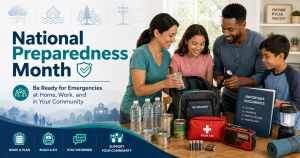
Coastal communities may need to prepare for hurricanes and storm surge, while other areas may experience tornadoes, wildfires, earthquakes, floods, winter storms or extreme temperatures.
Learn which emergencies are most likely in your area and understand the recommended response for each one.
For example, the safest response during a tornado is very different from the safest response during a wildfire evacuation.
Knowing what to do before an emergency can save valuable time when every minute matters.
Stay Informed
Reliable information is critical during an emergency.
Make sure you have more than one way to receive warnings and updates. Consider local emergency notification systems, weather alerts and official government or emergency-management resources.
A battery-powered or hand-crank radio can also provide important information when electricity, internet service or cellular networks are unavailable.
And remember: during an emergency, information shared through social media may not always be accurate. Whenever possible, verify instructions through trusted local authorities and emergency-management sources.
Don’t Forget Preparedness at Work
Most adults spend a significant part of their day at work, making workplace preparedness just as important as preparing at home.
Employees should know:
- Where emergency exits are located
- Where to gather after an evacuation
- How emergency notifications are communicated
- Where first-aid kits and automated external defibrillators (AEDs) are located
- Who to contact during an emergency
- Procedures for severe weather, fires and other workplace emergencies
Employers can use National Preparedness Month as an opportunity to review emergency procedures, update contact information, conduct drills and encourage employees to create emergency plans for their own families.
Prepare for Medical Needs
If you or someone you care for relies on prescription medications, medical devices or specialized healthcare, include those needs in your emergency planning.
Keep an updated list of medications, dosages, physicians, allergies and important medical information where it can be accessed quickly.
If medical equipment requires electricity, develop a backup plan in case of an extended power outage.
Individuals who require additional assistance during an evacuation should also identify family members, friends, neighbors or community resources who may be able to help.
Include Your Pets
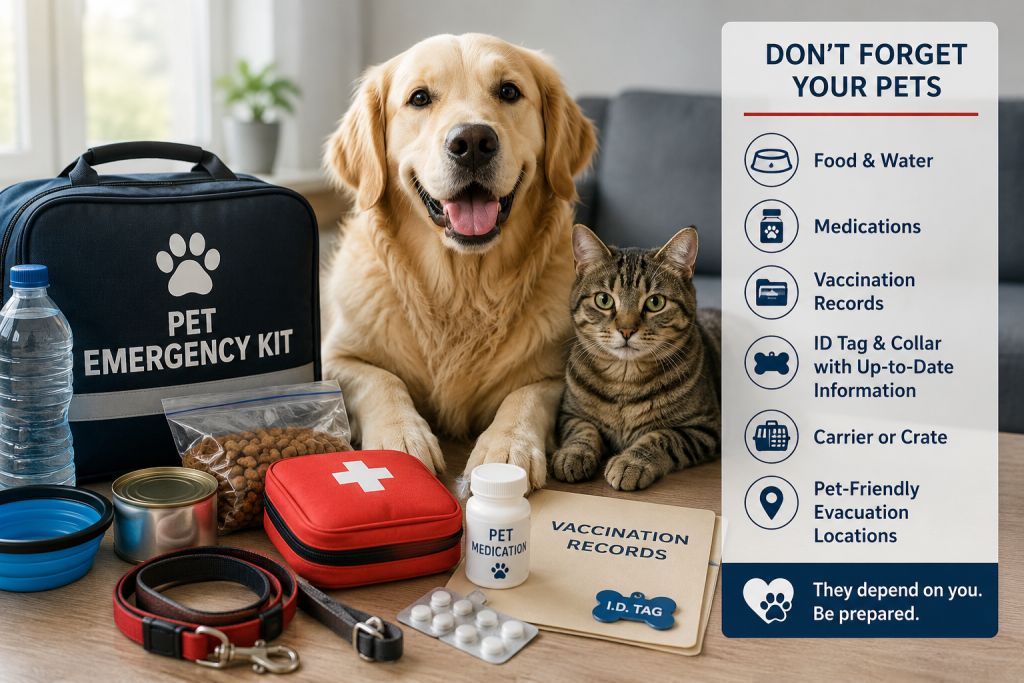
Pets are part of the family, and they need an emergency plan too.
Keep pet food, water, medications, vaccination records, identification, carriers, leashes and other essential supplies with your emergency materials.
It’s also helpful to identify pet-friendly evacuation locations or accommodations ahead of time. During an emergency is not the ideal time to start searching for somewhere that will accept your animal.
Get to Know Your Neighbors
Prepared communities are stronger communities.
Think about people nearby who may need extra assistance, including older adults, individuals living alone or people with disabilities.
Something as simple as exchanging contact information with a neighbor can make a significant difference during an emergency.
Community preparedness isn’t only about receiving help. It’s also about knowing how you may be able to help someone else.
Small Steps Today Can Make a Big Difference Tomorrow
You don’t have to prepare for every possible emergency in one day.
Start with one thing.
Create a family communication plan. Buy a flashlight. Store some extra water. Make copies of important documents. Sign up for emergency alerts. Add a few supplies to your emergency kit each week.
Then keep building from there.
National Preparedness Month is a reminder that preparedness starts before the emergency—not after it.
Taking a little time today to make a plan, build a kit and understand the risks around you can give you greater confidence when the unexpected happens.
Your Preparedness Challenge
Before the end of National Preparedness Month, complete these four steps:
1. Make a plan.
Know how you and your family will communicate, evacuate and reconnect.
2. Build a kit.
Gather the supplies you may need during the first days of an emergency.
3. Stay informed.
Know how you will receive reliable emergency alerts and instructions.
4. Help your community prepare.
Check on neighbors, share preparedness information and encourage the people around you to make their own plans.
Being prepared isn’t about being afraid of what might happen.
It’s about being ready for whatever comes next.