What It Takes to Be the GOAT: The Impact of Mental Hygiene
Monday, February 2nd, 2026
Greatness is often explained through genetics, work ethic, or sacrifice.
That story is incomplete.
What separates the Greatest of All Time (GOAT) from the merely elite is not just physical mastery or technical skill—it is mental hygiene: the ongoing discipline of tending to one’s inner environment with the same rigor applied to physical training.
That has always been true.
What’s changed is this:
In the Age of AI, mental hygiene is no longer just for the GOATs.
It is becoming essential for anyone who wants to perform well or live a fulfilled life without being quietly overtaken by speed, noise, and feedback.
No modern athlete illustrates this more clearly than Simone Biles.

Simone Biles: Redefining Greatness Through Mental Hygiene
Biles has been dubbed the GOAT in gymnastics for her consistency, longevity, and, perhaps most importantly, for her ability to push the boundaries in her sport.
Simone Biles didn’t just dominate gymnastics, she redefined the psychological contract of excellence.
GOAT status achieved.
When she stepped away from competition at the Tokyo Olympics, many framed it as fragility. In reality, it was elite mental hygiene in action.
She recognized something fundamental:
- The body executes what the mind permits
- Precision sports punish even microscopic cognitive dissonance
- Ignoring internal signals is not toughness—it is negligence
Her decision was not avoidance.
It was maintenance.
Biles has spoken openly about:
- Regular therapy. Mental hygiene requires focused attention.
- Psychological safety as a prerequisite for peak performance. Genius requires vulnerability.
- Differentiating identity from output. Ever feel like a human-doing and not a human being?
- Treating mental clarity as non-negotiable infrastructure
That is not a weakness.
That is GOAT-level systems thinking.
Mental Hygiene: The Hidden Operating System of Greatness
Mental hygiene is not “positive thinking.”
It is not motivation.
It is not confidence.
It is the deliberate care of the meaning-making machinery that determines:
- Focus under pressure
- Decision-making at speed
- Recovery after failure
- The ability to sustain excellence without collapse
Every GOAT eventually learns the same lesson:
You do not rise to the level of your talent.
You fall to the level of your unexamined inner architecture.
Simone Biles simply learned it earlier—and publicly.
Other GOATs Who Built Mental Hygiene Regimes
Simone is not an anomaly. She is part of a quiet lineage.
Across eras and disciplines, the greatest performers didn’t just train their bodies—they trained their inner operating systems.
- Michael Jordan
Used visualization, emotional regulation, and ruthless narrative control. His edge was not rage—it was meaning discipline. - Serena Williams
Worked extensively with sports psychologists, breathwork, and emotional self-regulation to sustain dominance across decades. - Novak Djokovic
Treats meditation, breath control, dietary clarity, and cognitive reframing as performance fundamentals—not accessories. - Kobe Bryant
The “Mamba Mentality” was a structured internal practice: attention control, narrative precision, and emotional hygiene under pressure. - Tom Brady
Integrated mindfulness, body awareness, and identity separation to sustain elite performance into his mid-40s.
The pattern is unmistakable.
Why This Conversation Matters Now
These GOATs were performing at 100% in environments that demanded everything from them.
But here’s the shift:
You no longer need to be an elite athlete to experience elite-level cognitive pressure.
We are now living in a world where:
- Information never stops
- Comparison is algorithmic
- Feedback is instant
- Identity is continuously mirrored back to us
- Attention is fragmented by design
Some people reading this want to perform at the highest level of their field.
Others simply want to live a grounded, fulfilled life without feeling mentally hijacked.
In both cases, the challenge and opportunity is the same:
The modern mind is no longer stressed by effort alone —
it is stressed by the velocity of change.
The speed at which meaning, judgment, and possibility arrive now exceeds the nervous system’s natural capacity to integrate them without intentional hygiene.
It took roughly 10,000 years to go from writing to the printing press, but only 500 more to get to email. The number of happenings in our time compared to those of our ancestors is unprecedented.
What used to take 10,000 years, now takes 1,000.
Novelty that used to manifest inside 100 years now appears in 10.
Futurists and technologists have used metaphors and heuristic models, like Buckminster Fuller’s ‘knowledge doubling curve’, to describe how human knowledge and digital information are accelerating at unprecedented rates. The Age of AI changes the very way these models measure our experience.
This is why mental hygiene is no longer optional.
It is becoming infrastructure.
Mental Hygiene in the Age of AI

Artificial intelligence is not just changing how we work.
It is changing how meaning forms. We are living in a society that programs us through 90-second AI-augmented video clips. A world where we need a natural discernment in everything we see. Our cognitive load is shifting. We have to learn now to orient and navigate in a busy, noisy world.
The illiteracy of our age isn’t about being able to read or write. It’s about whether we can begin to orient in a world our old programming wasn’t designed to operate from. Can we learn, unlearn, and then relearn again?
When:
- Narratives update instantly. The Velocity of change is passing a tipping point.
- Feedback loops never close. News is global and 24/7, all focused on suffering. Suffering sells
- Identity becomes data-reflected
- Thought accelerates without pause
Unexamined inner patterns don’t disappear.
They accelerate.
Old assumptions become faster loops.
Unresolved meaning gets louder.
Automatic reactions begin to feel like “who we are.”
People don’t burn out because they’re weak.
They burn out because they are running outdated inner software at modern speeds.
The GOATs sensed this intuitively.
Most people are only now beginning to feel it.
From Performance Hygiene to Personal Hygiene
Elite performers treat mental hygiene the way pilots treat instruments:
- Not as inspiration
- Not as self-help
- But as navigation
For some, this is about winning medals.
For others, it’s about:
- Not losing themselves
- Not living in chronic reactivity
- Not confusing pressure with purpose
- Reclaiming agency and purpose to the “I am”.
The principle is universal:
If you don’t tend the inner environment,
the environment will tend you.
Introducing Turning Within
This is where Turning Within fits—not as a philosophy, but as practice. (Learn More Here)
Turning Within is a personal mental hygiene discipline designed to help practitioners:
- Recalibrate their inner orientation
- Examine and update deep conscious patterns
- Interrupt and recalibrate automatic feedback loops in a high-speed world
- Integrate a deeper, more conscious, purposeful version of self in all facets of life.
In a modern mind moving at light speed, meaning doesn’t just form—it feeds back on itself:
- Meaning drives narrative.
- Narrative flows in story form.
- Story forms and is informed by belief.
- Perception reinforces the original thought.
Turning Within gives people a way to:
- Slow that loop down
- See it clearly
- Change it deliberately
Not to escape reality.
But to engage it with agency.
Just as physical hygiene prevents illness,
mental hygiene prevents distortion.
And distortion scales fast now.
The Pattern Is the Point
Across disciplines, eras, and personalities, the pattern is consistent:
- Physical training builds capacity
- Technical training builds execution
- Mental hygiene sustains and creates conscious coherence
GOATs don’t just train harder.
They maintain their inner environment so pressure doesn’t distort perception, identity, or choice.
Simone Biles didn’t step back from greatness.
She demonstrated it.
The Real Question
The real question is no longer:
“Do you have what it takes to be the GOAT?”
It is:
“Are you willing to maintain your mind with the same seriousness you maintain your life?”
Because talent without mental hygiene doesn’t fail loudly.
It fails slowly—through burnout, distortion, and loss of agency.
In the Age of AI, that slow failure happens faster. Equally, what used to be available for the few is now the experience of many. Greatness, real greatness… and a fulfilled life now share the same requirement:
Mental hygiene.

How to Boost Your Immunity Naturally
Wednesday, June 30th, 2021
The past year and a half has made us all increasingly aware of our immunity. Some immune systems may be a little weaker after remaining in isolation for so long. There is a very simple and fun way to boost your immunity naturally. All it requires is stepping outside into the sunshine! The benefits of the outdoors are innumerable. Let’s explore just some of the benefits to your well-being both physically and mentally by being outside.
Boost Your Mood

One of the best and most obvious benefits of being out in the sun is vitamin D. Vitamin D is a great defense against illnesses including Covid-19. You can get vitamin D from a supplement, but its most potent source is from the sun itself.
Vitamin D is also a great, natural mood booster! Seasonal depression comes from a lack of vitamin D during the colder months when we may spend more time indoors. So if you ever feel a little out of sorts, go for a stroll in the sunshine or even just sit in the sun.
Not only is vitamin D from the sun a great benefit of being outdoors, so is the fresh air! Oxygen is our literal life force and it is most plentiful in nature. Witnessing the beauty of nature has a calming, peaceful effect. Taking in the sights and sounds of the world around us can remind us of a purpose bigger than ourselves.
Make Your Heart Healthy

Another benefit to being outdoors is getting active! When you move your body, you increase blood flow to your heart. The heart is a large muscle. When we increase our heart rate through exercise, we are increasing the strength of that muscle.
Cardiovascular disease runs rampant throughout our nation. Simply going for a walk, playing a recreational sport, swimming or any light exercise can do wonders to decrease your risk of heart disease.
Exercise also releases lots of good endorphins, further contributing to our well-being. Endorphins block pain receptors and help decrease anxiety and depression. The more regularly you exercise, the better you will feel.
Build Community

Now that many restrictions have been lifted, it’s important to cultivate community. Getting outside allows you to meet the people around you, build relationships and find ways to serve your community.
From waving hello to a neighbor, playing a team sport, or attending an outdoor event, all of these activities contribute to a healthy, happy individual. We were made to be in community. We thrive when we lean on one another for support and comradery.
Being around other people outdoors is still a safer way to congregate in groups as well. Some exchange of “germs” between people is important to build up our immune systems. In small amounts, those germs train our bodies to fight and build antibodies to guard against disease.
A Break from Screen Time

Constant streaming, scrolling, and virtual meetings have us glued to our screens for many hours each day. It’s important for the health of our eyes and our minds to cut it off once in a while. Give your brain a break and clear your mind with some time spent outside.
We spend so much time watching others live life on a screen, we sometimes forget to live it ourselves. There’s plenty of adventure and experiences for you, right outside your door.
Stay Safe in the Sun
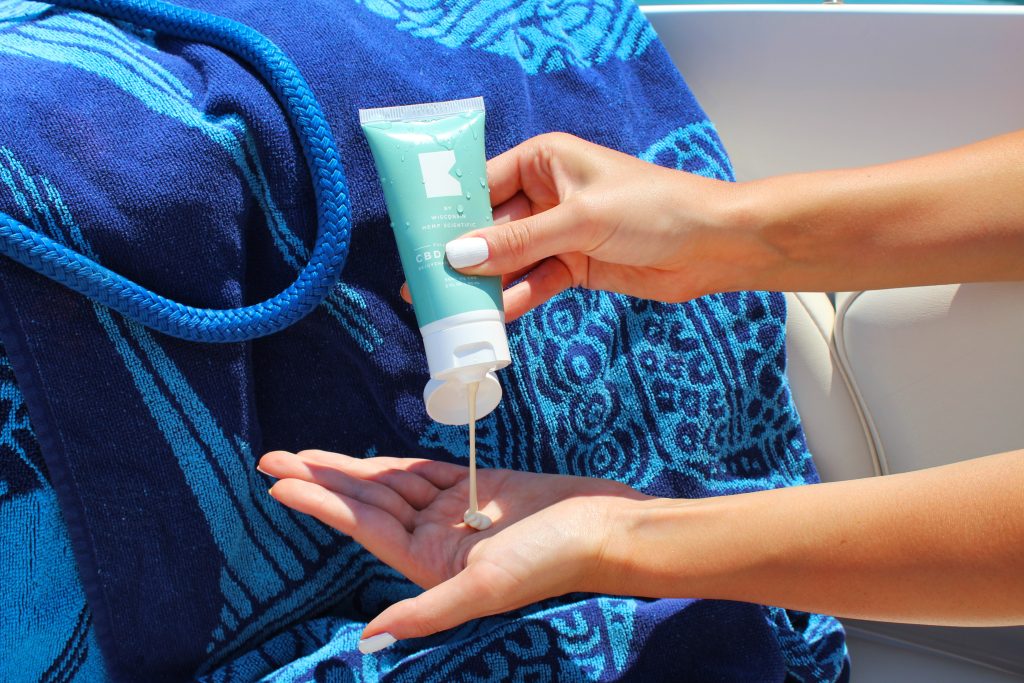
With extra time outside, it’s important to keep in mind some safety precautions. Remember to use sun protection, especially when the sun’s rays are most intense. From about 10 am until 4 pm, the sun is high in the sky and our skin is most likely to suffer damage if left unprotected.
Wear a hat and use a minimum 30 SPF sunscreen when you’ll be exposed to the sun for longer than 10 minutes. As the temperature outside increases, be sure to stay well hydrated. Keep a bottle of water handy at all times.
Make it a goal to get outside for at least an hour each day! It will greatly improve your mood and your overall health.
Mental Health & Suicide Prevention
Tuesday, September 10th, 2019

The assault on our mental health is a daily battle we each face. Some of us fare worse than others. It’s important to understand how to cultivate good mental health. When we keep our minds healthy, we help prevent suicide. We must also be aware of the struggle in others. Mental struggles are all but invisible. It takes intentional effort to know each other well enough to sense when something isn’t right. We must express care and concern about the internal struggles of our loved ones. As a community, we must encourage and lift each other up.
Good Mental Health Habits
- Get Enough Sleep
- When we don’t get enough rest, our minds can become unhinged. Irritability, moodiness and depression set in. Read more about the correlation between sleep and mental health in an article from the Harvard Medical School website.
- Eat a healthy diet.
- Nutrition has a major effect on our energy levels and overall mental wellness. Certain foods can make us feel sluggish and glum. Other foods can actually brighten our mood and give us energy.
- Exercise
- Exercise has to be one of the single most effective tools for our mental health. Getting your heart rate up releases those feel-good endorphins that keep us upbeat and positive. Start your day with a good sweat session and you’ll feel ready to take on the world.
- Socialize
- Yes, even for introverts, socialization is important. When we keep to ourselves, we’re alone with our thoughts and create even more isolation. It’s easy to feel alone, even in a crowded room. But when we engage in real conversation with others, it broadens our perspective. When we share in each other’s struggles and victories, we are operating in a community with one another. It is in sharing our lives with each other that we begin to understand how we are all truly more alike than we are different.

- Don’t Be a “Yes Man”
- Know what healthy boundaries you need to keep in place for your mental health. Try not to wait until you’re at the end of your rope to take a break. It’s important to rest, to be alone with your thoughts and process. Some people keep so busy that they never really know how they’re feeling until they’re too far down the wrong path. You can do anything, but you can’t do everything. Knowing when to say no is an important thing to learn.
- Put Your Phone Down
- Our phones never leave our side. Hours can go by with you just scrolling through other people’s lives. There’s a constant barrage of information coming at your brain and the stimulation can be mentally exhausting. We are more connected by social media than ever before, yet most of us are realizing just how shallow and isolating that connection tends to be. Make sure you put your phone down once in a while and talk to a human face to face. Turn your phone off and put it in a drawer for an hour or two and feel the freedom of not checking it every few seconds.
- Get Outside
- There’s something very grounding and clarifying about being in the outdoors. Going for a quiet walk around the neighborhood or watching the sunset can do wonders for your mental well being. Don’t underestimate the simplicity of getting more oxygen to your body by being outside. Observing how nature is functioning around you is a great reminder that the world is bigger than you and that everything will be all right.

Signs of Poor Mental Health
- Isolation
- Staying in a never going out. Insisting that you have too much to do when really you just can’t bear to be around others. You may even hold the belief that you’re the only one who knows what you feel like. No one else has felt the way you do. No one will ever understand.
- Depression
- When depression sinks in, every day it’s a struggle just to function. Getting out of bed is a huge accomplishment. Sadness or general indifference permeates every single day.
- Comparison
- Constant comparison with others can make us feel lacking in every area. Even though we know that what we see on TV, movies, or even on social media is curated to look a certain way. We are never seeing the full story. Yet mentally we may begin to feel as though we can never measure up. When we start to compare we become focused on what we lack, instead of what we have. We find our relationships, homes, clothing, finances, all come up short when compared to what we see.
- Hopelessness
- Feeling as though things will never get better, that we’ve screwed up too much or missed our chance perpetuates feelings of hopelessness. The truth is that there is always hope. But when you are caught in a cycle of hopelessness, that can be difficult to believe.
Poor mental health can easily lead to a thought process that may end in suicide. If you have thought about ending your life or believe the world would be better without you, please reach out to someone. Let them prove you wrong. Come up with a safe action plan to protect you from those dark thoughts. You are important and valuable and we need you here.
How Can We Help?
If you or someone you know is showing signs of poor mental health, here are some steps to take. Being equipped with the right expectations and resources for our mental health and the mental health of others is a starting point for winning the fight against Suicide.

- Be Bold. Ask Pointed Questions.
- Don’t be afraid to be awkward or embarrass yourself by asking someone if they’re planning to commit suicide. Their life may depend on your boldness. Isn’t that worth more than what someone may think of you? Ask exploratory questions: Have they made a plan to do it? Do they have access to the resources they need? Let them know you are coming to help them or encourage them to go to someone they feel safe with.
- Talk About It.
- Share your stories. Not everyone has the signature signs and symptoms. Sharing the stories of loved ones you’ve lost to suicide or how you overcame an attempt on your own life can potentially save the life of someone else.
- Be present and aware.
- Don’t let people slip through the cracks. Learn people’s names and let them know they’re valued by you. You never know what a smile or kind word may do in the life of someone else. It could mean the world to someone starved for love and attention.
- Be others-focused.
- We all have our own issues we are working through. When we focus on our problems, they tend to grow. When we look outside ourselves to the needs of others, we not only help them. We help ourselves in the process. If each of us focused on the well being of the person next to us, we’d all be taken care of. It has to start somewhere. Why not with you?
- Forgive Yourself.
- If it’s too late for someone you love, know that you’re not at fault. You can do everything “right” and still lose someone. Give their life more meaning by sharing their stories and helping someone else. Be kind to yourself and honor their memory.
For further information or assistance visit our wellness observance page or call 1-800-273-8255 to talk to someone any time of day. An online chat is also available to you right now.