Migraine Awareness Month: Understanding the Invisible Disease That Affects Millions
Every June, Migraine Awareness Month shines a much-needed spotlight on one of the most common, disabling, and misunderstood neurological diseases in the world. For too long, migraine has been dismissed as “just a headache,” minimized as a minor inconvenience, or misunderstood as something a person can simply push through. The truth is far more serious.
Migraine is a complex neurological condition that can affect the brain, body, emotions, senses, work life, family life, and overall quality of life. It can cause severe head pain, nausea, vomiting, dizziness, fatigue, sensitivity to light, sound, smell, and movement, vision changes, brain fog, numbness, speech difficulty, and lingering exhaustion long after the worst pain has passed. For many people, migraine is not an occasional headache. It is a chronic, disruptive condition that can impact relationships, careers, caregiving responsibilities, mental health, and daily independence.
Migraine Awareness Month is about more than wearing a ribbon or sharing a social media post. It is about education, compassion, advocacy, and action. It is a time to recognize the millions of people who live with migraine, validate their experience, reduce stigma, and encourage better access to diagnosis, treatment, workplace support, and community understanding.

Migraine Is Not “Just a Headache”
One of the greatest barriers people with migraines face is misunderstanding. Because migraine symptoms are often invisible, many people assume the person “looks fine” and therefore must be fine. But migraine is a neurological disease, not a simple headache.
A migraine attack can involve multiple phases. Some people experience warning signs hours or even days before the head pain begins. This early stage, called the prodrome phase, may include yawning, mood changes, food cravings, neck stiffness, fatigue, trouble concentrating, frequent urination, or sensitivity to light and sound.
Some people also experience aura. Aura can include visual changes such as flashing lights, zigzag lines, blind spots, or blurred vision. It may also involve tingling, numbness, dizziness, or difficulty speaking. Aura symptoms can be frightening, especially when they happen for the first time, and should always be discussed with a healthcare professional.
The headache phase of migraine may bring throbbing or pulsing pain, often on one side of the head, but migraine can also affect both sides or shift locations. Pain may worsen with movement. Many people also experience nausea, vomiting, sensitivity to light, sensitivity to sound, sensitivity to smells, dizziness, and extreme fatigue.
After the pain improves, the attack may still not be over. The postdrome phase, often called a “migraine hangover,” can leave a person feeling drained, foggy, weak, emotional, sore, or unable to return fully to normal activities for hours or even days.
Understanding these phases helps explain why migraine can be so disruptive. It is not only the hours of pain that matter. It is the entire cycle before, during, and after the attack.
Who Is Affected by Migraine?
Migraine can affect children, teenagers, adults, and older adults. It can affect people of every background, race, income level, and profession. However, migraine is especially common in women, often influenced by hormonal changes related to menstruation, pregnancy, postpartum changes, perimenopause, or menopause.
Migraine can also run in families. If a parent or close family member lives with migraine, others in the family may be more likely to experience it as well. But even without a family history, migraine can still occur.
For some people, attacks happen occasionally. For others, migraine becomes frequent or chronic. Chronic migraine is often defined as having headaches on 15 or more days per month, with migraine features on at least 8 of those days, for more than three months. Chronic migraine can be especially disabling and often requires a more comprehensive treatment plan.
Common Migraine Triggers
Migraine triggers are not the same for everyone. A trigger does not “cause” migraine by itself, but it may help set off an attack in someone whose brain is already vulnerable to migraine.
Common triggers may include:
Stress or the letdown after stress
Sleep changes or poor sleep
Skipped meals or dehydration
Hormonal changes
Bright lights or fluorescent lighting
Strong smells
Weather or barometric pressure changes
Alcohol, especially red wine
Certain foods or food additives
Too much caffeine or caffeine withdrawal
Screen glare
Loud noise
Overexertion
Neck tension
Changes in routine
It is important to remember that triggers can be complicated. Sometimes what appears to be a trigger may actually be an early symptom of the migraine itself. For example, a person may crave chocolate during the prodrome phase and later believe chocolate caused the attack, when the craving may have been part of the attack beginning.
Keeping a migraine diary can help identify patterns. Tracking sleep, meals, hydration, stress, weather changes, menstrual cycles, symptoms, medications, and attack timing can provide valuable information for both the patient and healthcare provider.
Treatment: There Is Hope
Migraine treatment has improved significantly. While there is no universal cure, many people can reduce the frequency, severity, and disruption of migraine attacks with the right plan.
Migraine care often includes three major categories: acute treatment, preventive treatment, and lifestyle or behavioral strategies.
Acute treatments are used when an attack begins. These may include over-the-counter pain relievers, prescription migraine-specific medications such as triptans, anti-nausea medications, gepants, ditans, or other medications recommended by a healthcare provider. The goal is to treat the attack early and effectively before symptoms become more severe.
Preventive treatments are used to reduce how often attacks happen or how severe they become. Preventive options may include daily oral medications, monthly injections, quarterly infusions, Botox for chronic migraine, CGRP-targeting therapies, gepants used preventively, neuromodulation devices, and other medical approaches based on a person’s symptoms, health history, and migraine frequency.
Lifestyle and behavioral strategies may also play an important role. Regular sleep, consistent meals, hydration, stress management, exercise as tolerated, relaxation techniques, cognitive behavioral therapy, biofeedback, and avoiding known triggers can help some people manage migraine more effectively. These strategies are not a replacement for medical care, but they can be a powerful part of a complete plan.
The most important message is this: people living with migraine deserve proper diagnosis and treatment. They should not be told to simply “deal with it,” “drink more water,” or “stop stressing.” Migraine is real, and help is available.
Migraine in the Workplace
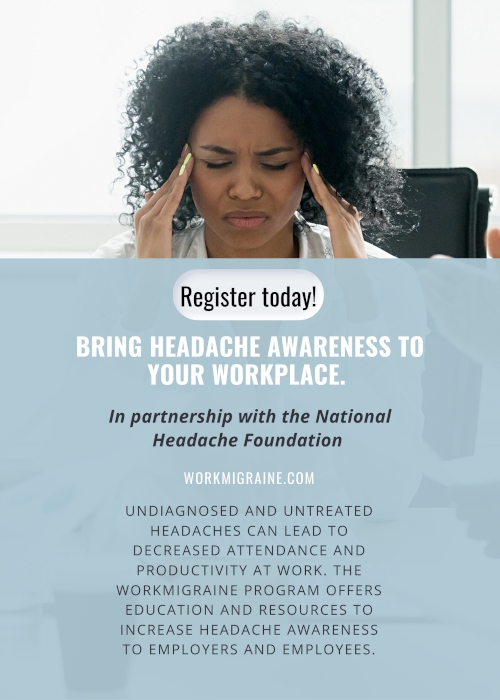
Migraine can have a major impact at work. Bright lights, computer screens, noise, strong odors, long hours, skipped meals, and high stress can all make symptoms worse. Because migraine is often invisible, employees may feel embarrassed or afraid to ask for support.
Workplace accommodations can make a meaningful difference. Helpful changes may include reducing harsh lighting, allowing screen filters or anti-glare monitors, offering flexible scheduling, allowing remote work when possible, providing access to a quiet dark space during an attack, reducing exposure to strong smells, allowing breaks for food and hydration, and supporting employees who need medical appointments.
Employers benefit when they take migraine seriously. Supportive workplaces can reduce presenteeism, absenteeism, stigma, and unnecessary suffering. A compassionate workplace culture allows employees to seek care, manage symptoms, and remain productive without feeling judged.
The Emotional Impact of Migraine
Migraine does not only affect the body. It can affect a person’s emotional well-being. People with frequent migraine may worry about when the next attack will happen. They may cancel plans, miss family events, fall behind at work, or feel guilty for needing rest. Over time, this can lead to isolation, frustration, anxiety, or depression.
The emotional burden is often made worse when others dismiss the condition. Statements like “Everyone gets headaches,” “You looked fine yesterday,” or “You just need to toughen up” can be deeply harmful. Migraine Awareness Month reminds us that compassion matters. Listening matters. Believing people matters.
Support from family, friends, coworkers, employers, and healthcare providers can make a real difference. Sometimes the most powerful thing you can say is, “I believe you. How can I help?”
When to Seek Medical Care
Anyone who experiences recurring headaches or migraine-like symptoms should talk with a healthcare professional. A proper diagnosis can help rule out other conditions and open the door to better treatment.
Emergency care is needed for a sudden, severe headache that feels like the worst headache of your life, a headache after a head injury, headache with fever or stiff neck, confusion, seizure, fainting, double vision, weakness, numbness, trouble speaking, or symptoms that feel very different from your usual migraine pattern. New aura-like symptoms should also be evaluated, especially if they have never been diagnosed before.
People should also seek medical advice if headaches are becoming more frequent, more severe, harder to treat, interfering with work or daily activities, or requiring frequent medication. Overuse of pain medication can sometimes make headaches worse over time, so a healthcare provider can help create a safer and more effective treatment plan.

How to Support Migraine Awareness Month
Migraine Awareness Month is an opportunity for everyone to help create change. You do not have to be a medical expert to make a difference.
You can learn the signs and symptoms of migraine.
You can stop calling migraine “just a headache.”
You can share accurate information.
You can encourage someone to seek care.
You can support migraine-friendly workplace policies.
You can listen without judgment.
You can advocate for better access to treatment.
You can participate in awareness events.
You can wear purple, the color commonly associated with migraine awareness.
You can share your story or amplify the stories of others.
Awareness leads to understanding. Understanding leads to compassion. Compassion leads to better care, better support, and better outcomes.
A Final Message for Migraine Awareness Month
Migraine is real. Migraine is disabling. Migraine is neurological. Migraine is often invisible, but the people living with it should never feel invisible.
This Migraine Awareness Month, let us move beyond outdated myths and make room for truth. Let us recognize the strength of those who live with migraine, the families who support them, the employers who accommodate them, and the healthcare professionals who help them find relief.
No one should have to suffer in silence. No one should have to prove their pain. No one should be dismissed because their disease cannot always be seen.
Migraine Awareness Month is a call to listen, learn, support, and advocate. Together, we can help build a world where migraine is understood, treatment is accessible, workplaces are compassionate, and every person living with migraine feels seen, heard, and supported.