Matches provider's benefits with employee's benefits.
Share
Understanding Osteoporosis
May is Osteoporosis Awareness Month
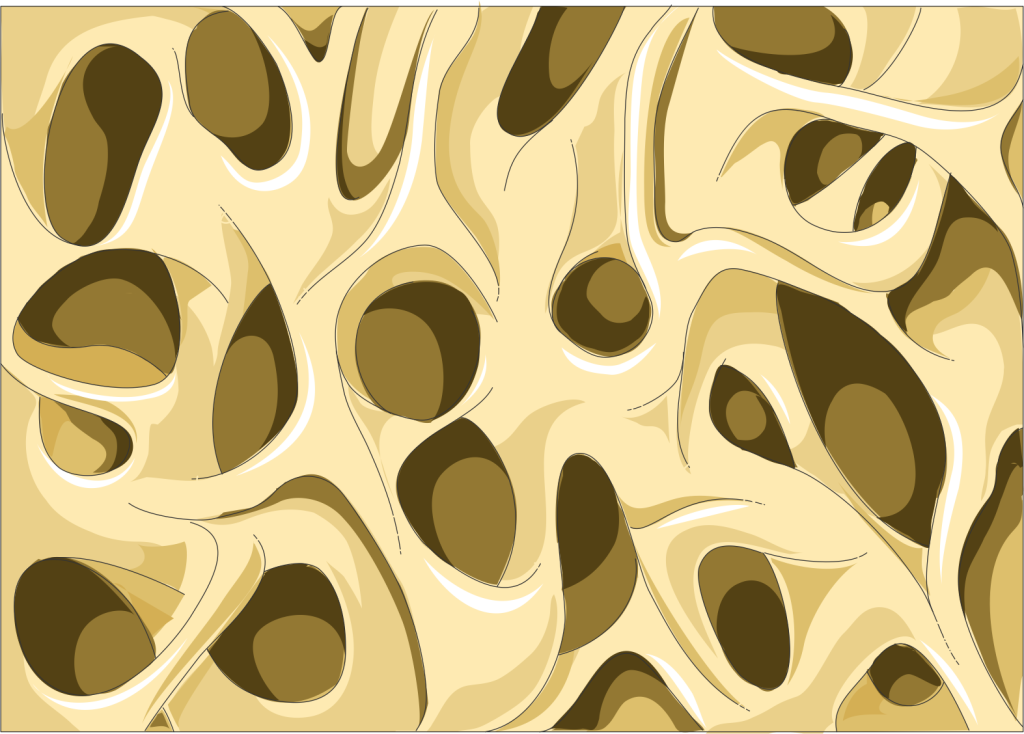
Osteoporosis is often called a “silent disease,” yet its impact is anything but quiet. Each year, millions suffer fractures—hip, spine, wrist—caused by weakened bones. While anyone can be affected, women post-menopause and older adults are especially at risk.
Take the story of Maria, a retired teacher who, after a surprise fracture, transformed her routine. She embraced weight-bearing exercise, added calcium-rich foods, and joined a bone health support group. Her bone density stabilized, and she’s now an advocate for early screening.
Early Warning Signs
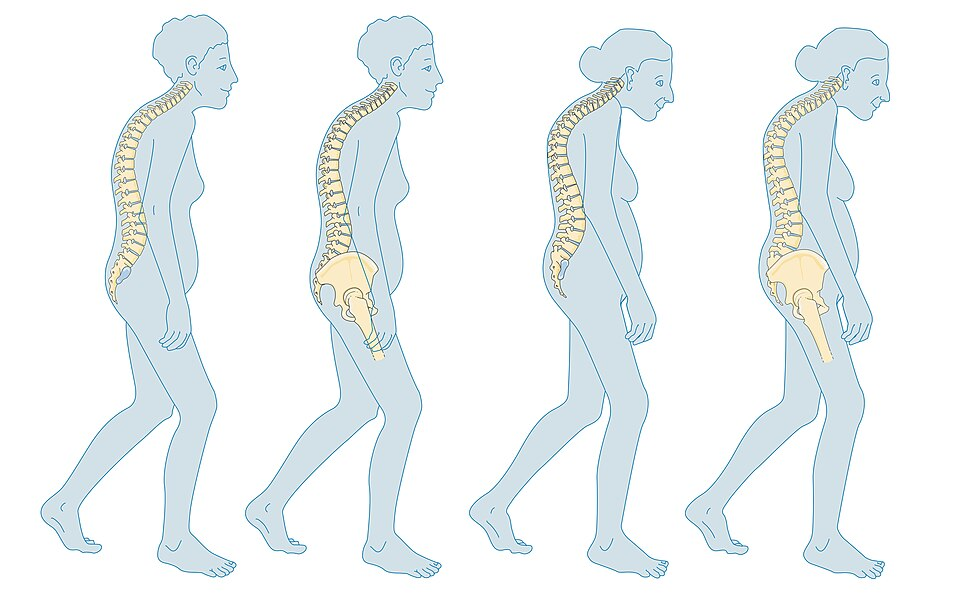
Osteoporosis is sneaky because it often doesn’t show obvious symptoms early on. But there are subtle signs to watch for. A loss of height over time can be an indicator or a stooped posture. If you have fractures from minor bumps or falls—especially in the wrist, spine, or hip—that’s a red flag. Some people feel back pain due to small fractures in the spine. If you notice any of these, it’s worth talking to a doctor early for a bone density check.
Key points for prevention:
Get enough calcium and vitamin D—diet or supplements help maintain bone strength.
Engage in weight-bearing exercises like walking, dancing, or strength training.
Avoid smoking and limit alcohol, both of which can weaken bones.
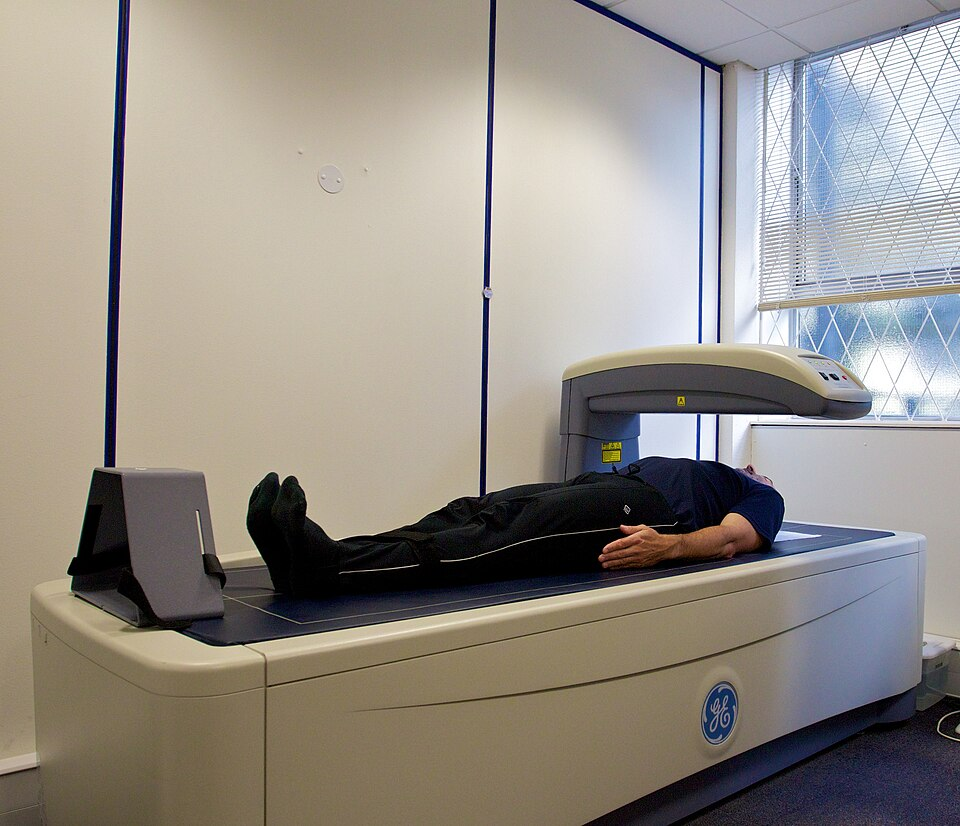
Get bone density scans, especially if you’re at higher risk, to catch early signs.
Maintain a balanced diet with fruits, vegetables, and adequate protein.
The good news? Prevention is possible. Awareness campaigns highlight the importance of nutrition—calcium, vitamin D—regular exercise, and avoiding smoking. We all have a role to play in advocating bone health—because strong bones mean a stronger future.